





History
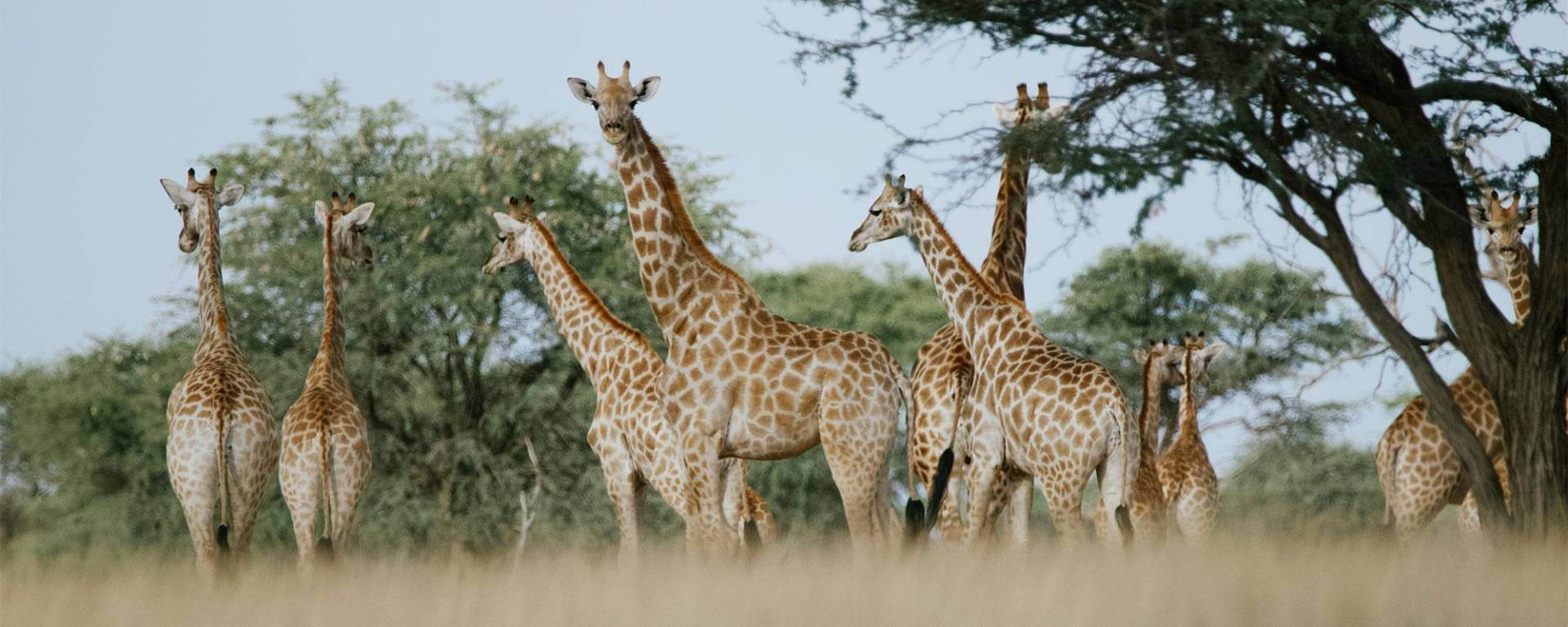
The founders of the nature reserve, Hiltrud (née Müller-Elmau) and Dr. Fritz Reinhard, have, after decades of work, come one step closer to reaching their goal of regenerating a small area of the original Kalahari.
A 10,500 ha large nature reserve, abundant in game, has come into being where for 70 years (1910-1980) only cattle and sheep had grazed.
Their children Berend, Alina, Johanna and Fritz jnr. have taken upon themselves the challenge of carrying on the vision of their parents. We will continue to strive towards preserving and expanding Kuzikus as a nature reserve.
Kuzikus was surveyed in 1907 and was utilized commercially as cattle and sheep farmland until 1980. It was then bought by Dr. Fritz Reinhard and his wife Hiltrud and turned into a private, state- acknowledged nature reserve at their instigation.
In the beginning, commercial trophy hunting was practiced, in accordance with the basic principle of utilizing natural resources (the game) in a sustainable way. This principle of nature conservation is established in the Namibian constitution. This obliges the State to preserve the biological diversity and different ecosystems in Namibia.
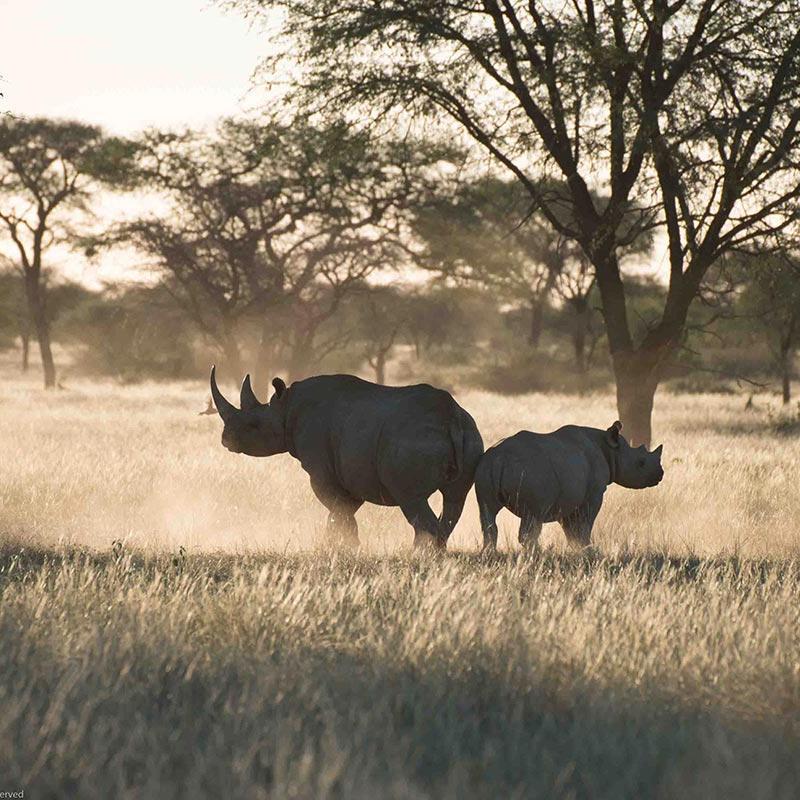
Income generated through controlled, professional trophy hunting makes the reintroduction of locally extinct species and the financing of conservation projects possible.
Kuzikus was closed for tourism from 1994 to 2004, allowing for game herds to naturally form in the habitat.
In 2005, Kuzikus Wildlife Reserve was opened to nature-orientated tourism.
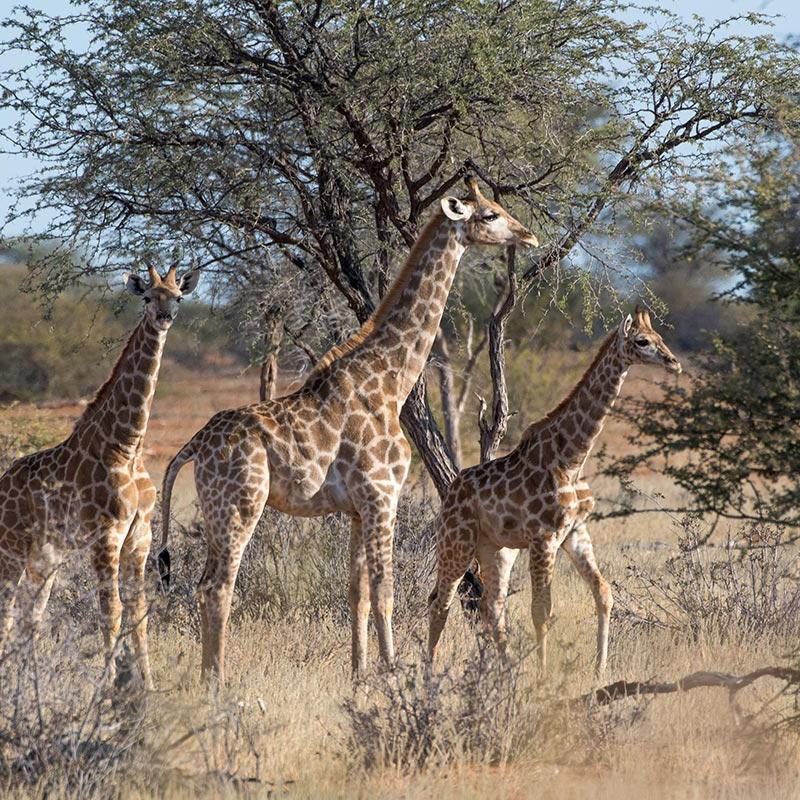
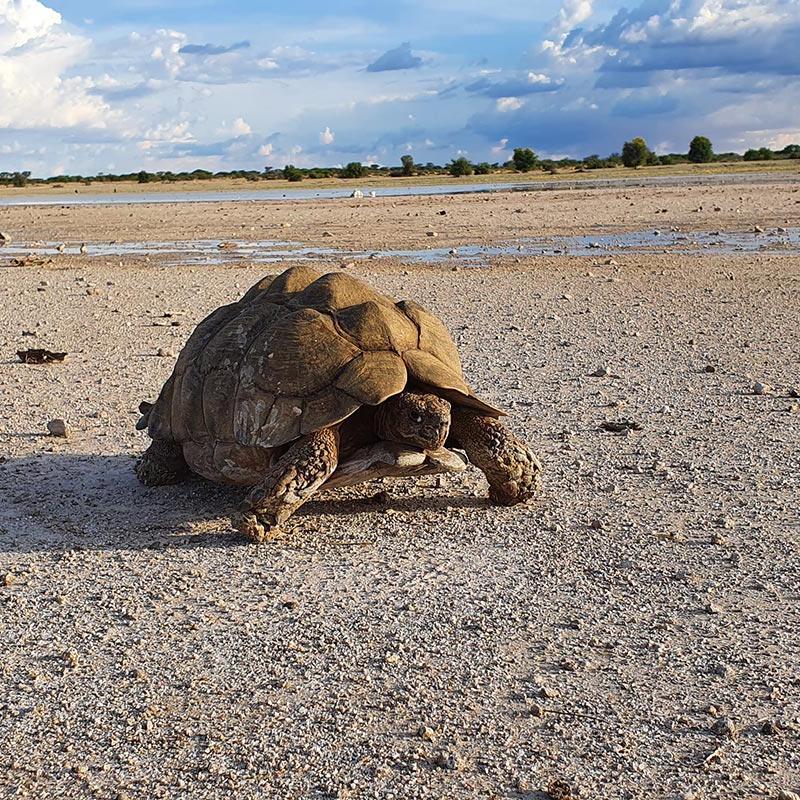
Surrounded by sheep and cattle farms, Kuzikus Wildlife Reserve is a Biodiversity Hotspot in an environmentally endangered region, which is still abundant with endemic species and as such Kuzikus is of regional importance for conservation efforts.
Internationally, Kuzikus represents an innovative concept for modern, unbureaucratic and effective nature conservation, to which you can contribute directly by your visit to Kuzikus.


 Chat Inquiry